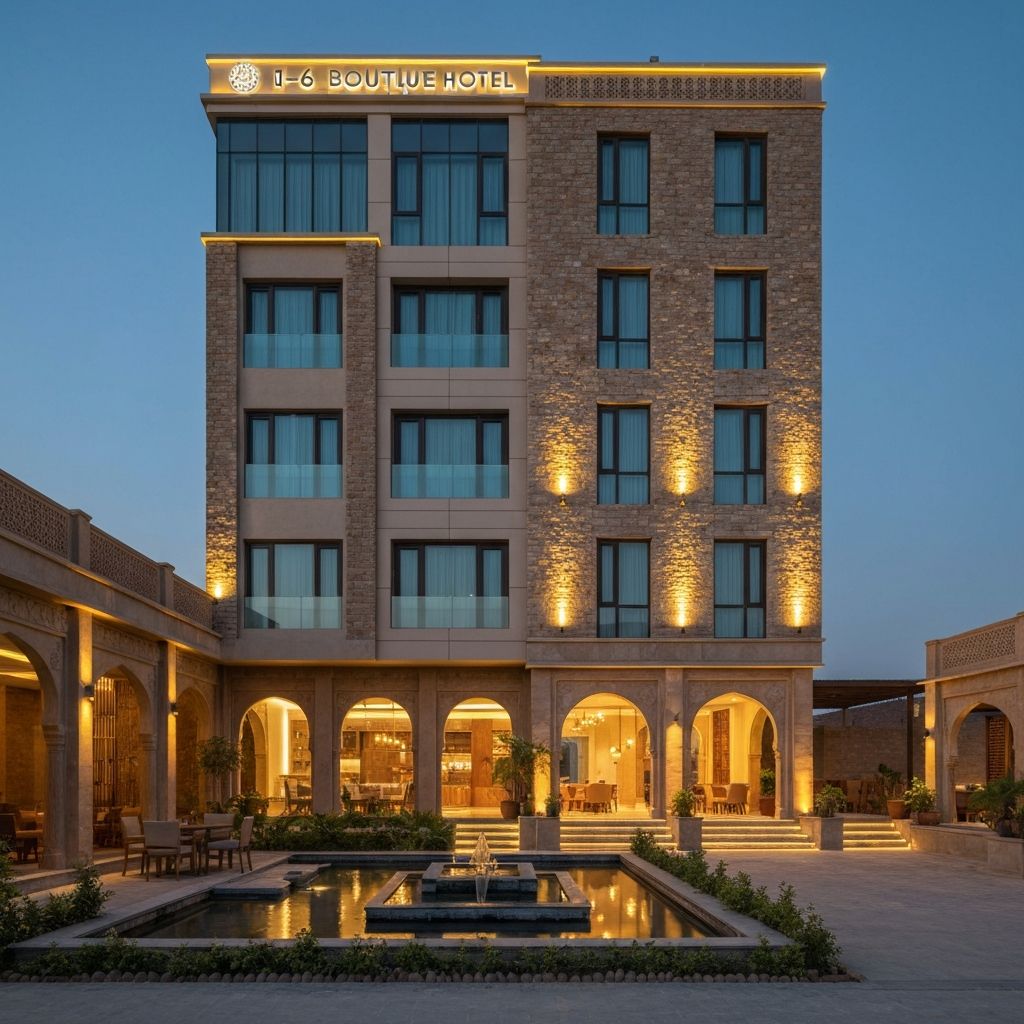
Understanding Rawalpindi's Hospitality Market
Rawalpindi's position as a business hub and gateway to northern Pakistan creates distinct opportunities for hospitality development. The city attracts corporate travelers, government delegations, transit tourists heading to tourism destinations, and increasingly, leisure travelers seeking authentic experiences outside the capital. This diverse market demands hotel architecture that balances professional functionality with cultural authenticity.
Unlike Islamabad's planned aesthetic, Rawalpindi's hospitality architecture must navigate a more organic urban fabric while creating oasis-like retreat environments. Our design philosophy acknowledges Rawalpindi's strategic importance, ensuring hotels serve as both functional accommodations and experiential destinations that enhance the city's hospitality reputation.
Our Hotel Design Philosophy
We believe exceptional hotel architecture stems from understanding the intersection of guest experience, operational efficiency, investment viability, and cultural context. Every project begins with deep analysis of target market segments, competitive positioning, and local urban characteristics.
Guest-Centric Design
Every space is designed through the lens of guest journey, from arrival experience to room comfort to dining ambiance. Intuitive layouts, welcoming atmospheres, and memorable design details drive guest satisfaction and repeat visits.
Operational Excellence
Hotel architecture must facilitate smooth staff workflows, reduce operational costs, and maximize revenue-generating spaces. We optimize kitchen layouts, housekeeping systems, security infrastructure, and back-of-house functionality.
Sustainable Hospitality
Modern hotels require resource-efficient systems. We integrate water conservation, energy optimization, waste management, and green spaces that benefit both operational budgets and environmental responsibility.
Cultural Integration
Successful hotels in Rawalpindi celebrate local culture through architectural language, interior design, art installations, and programming. This authenticity creates differentiation while building community connection.
Hotel Types & Specialization
Each hotel category requires distinct architectural and design strategies. Our expertise spans the complete hospitality spectrum:
Boutique & Heritage Hotels
Limited-room properties celebrating uniqueness and personal service. We transform heritage buildings or create intimate new constructions that offer distinctive character, curated guest experiences, and strong local narratives. These properties command premium rates through exceptional design rather than scale.
Business & Conference Hotels
Comprehensive meeting facilities, efficient check-in systems, business centers, and executive lounges combined with comfortable accommodations. Our designs facilitate corporate events while maintaining guest comfort during extended stays. Flexible meeting spaces accommodate diverse group sizes and configurations.
Leisure & Destination Resorts
Full-service properties featuring dining diversity, recreational facilities, spa services, and outdoor spaces. We design layouts that encourage guest exploration, create focal point attractions, and integrate landscape design. Resort architecture becomes part of the destination experience itself.
Extended-Stay Properties
Residential-quality accommodations with kitchenettes, laundry facilities, and living spaces designed for comfort during multi-month stays. We balance hotel services with apartment-style independence, creating properties that feel like home while maintaining hospitality professionalism.
Contemporary Design Trends in Hotel Architecture
Modern guest expectations and hospitality industry evolution drive design innovation. We incorporate:
- •Biophilic Design: Natural materials, living walls, abundant daylight, and views of landscaping reduce guest stress and increase satisfaction scores.
- •Technology Integration: Smart room systems, contactless services, mobile check-in, and digital concierge services enhance convenience without sacrificing warmth.
- •Flexible Spaces: Convertible meeting areas, multipurpose guest lounges, and modular room configurations adapt to changing guest needs.
- •Wellness Focus: Fitness facilities, meditation spaces, healthy dining options, and air quality systems address growing health consciousness.
- •Local Authenticity: Contemporary design vocabulary expressed through local materials, traditional craftsmanship, and regional artistic traditions.
Sustainability in Hospitality Architecture
Sustainable hotel design reduces operational costs while appealing to environmentally conscious travelers. Our strategies include energy-efficient HVAC systems optimized for Rawalpindi's climate, LED lighting with occupancy sensors, water-saving plumbing fixtures, greywater recycling systems, and waste segregation infrastructure. We integrate on-site renewable energy where feasible and design landscapes that minimize irrigation requirements while maximizing aesthetic impact. Green building certifications enhance property value and market positioning.
Local Architectural Influences in Design
Rawalpindi's architectural heritage influences contemporary hospitality design meaningfully. Traditional jali screens become privacy solutions and light modulators. Courtyards create gathering spaces echoing centuries-old patterns. Stone facades reference local building traditions while contemporary detailing signals modern hospitality. Interior design incorporates traditional crafts—embroidery, calligraphy, pottery—as design elements rather than mere decoration. This approach creates properties that feel authentically rooted in place while offering contemporary comfort and service standards.
Portfolio Highlights & Project Typologies
Our hotel portfolio demonstrates versatility across Rawalpindi's hospitality market:
Boutique Urban Hotel
35-room property in Rawalpindi's commercial district, featuring contemporary design with traditional architectural language. Ground floor hosts restaurant and lounge; upper floors offer guest rooms with premium finishing. Rooftop terrace provides panoramic city views and dining venue.
Business Conference Hotel
120-room hotel with comprehensive meeting facilities including 2,000 sqm conference center, multiple breakout rooms, executive floor, and integrated dining venues. Design optimizes group flow while maintaining individual guest comfort.
Heritage Conversion Project
Adaptive reuse of heritage building into 28-room luxury hotel. Preservation of original architectural features combined with contemporary guest room standards and modern hospitality systems. Project celebrates Rawalpindi's historical significance.
Our Hotel Design Process
Market & Site Analysis
Comprehensive market research, competitive analysis, site constraints, guest profile identification, and financial modeling to establish design parameters.
Concept Development & Master Planning
Multiple design concepts exploring different architectural approaches. Master plan development addressing building massing, circulation, parking, landscaping, and guest experience flow.
Detailed Design & Authorization
Refined design incorporating stakeholder feedback, 3D visualization, interior design standards, guest room layouts, and authority compliance. Building authority submissions and approvals.
Construction Documentation & Administration
Complete construction drawing sets, specifications, coordination with engineering disciplines, contractor management, and site supervision ensuring design intent is realized.