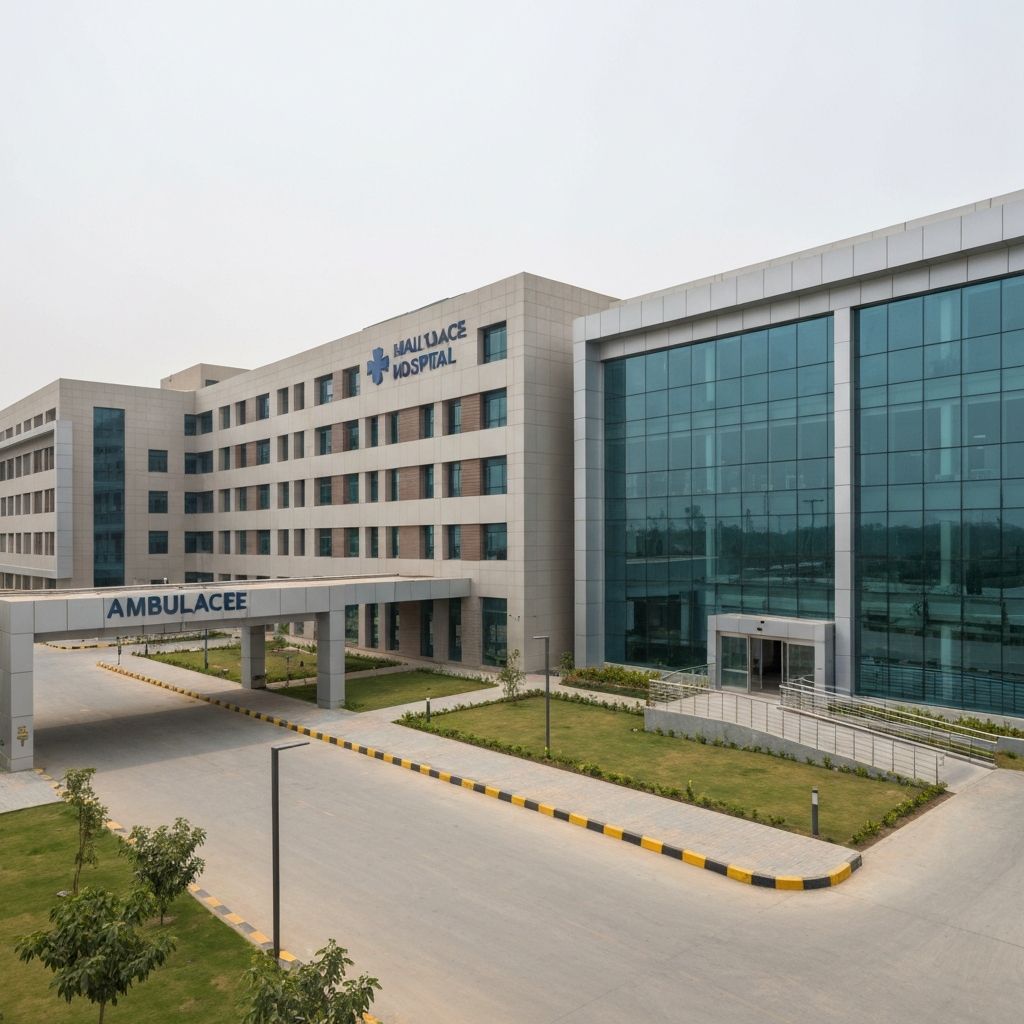
Healthcare Facility Design Tailored for Islamabad
Healthcare architecture extends far beyond aesthetics—it directly influences patient recovery, clinical outcomes, and operational efficiency. In Islamabad's rapidly expanding healthcare sector, medical facilities face distinct challenges including climate considerations, patient demographics, and evolving healthcare standards. Our approach integrates these factors into designs that serve both patients and medical professionals effectively.
Whether designing private hospitals, government medical centers, specialized diagnostic facilities, or multi-specialty clinics, we understand that each institution has unique operational requirements. We combine evidence-based healthcare design principles with local contextual understanding to create facilities that patients trust and medical teams prefer to work in.
Comprehensive Healthcare Architecture Services
Our healthcare architecture practice encompasses the full spectrum of medical facility design:
Hospital Master Planning
Strategic facility layouts optimizing patient flow, departmental organization, and support services integration for large medical complexes.
Operating Theatre Design
Specialized OR layouts meeting international standards, ensuring sterile environments, equipment integration, and surgeon ergonomics.
Patient Ward Planning
Therapeutic environments supporting patient recovery with natural light, privacy considerations, and family accommodation areas.
Diagnostic Center Layout
Efficient imaging and laboratory spaces with patient comfort, staff efficiency, and equipment accessibility as primary considerations.
Emergency Department Design
High-efficiency trauma and emergency spaces accommodating patient volume fluctuations while maintaining trauma care standards.
Infection Control Architecture
Specialized design incorporating air handling systems, isolation capabilities, and cross-contamination prevention measures.
Patient-Centric Design Philosophy
Modern healthcare architecture recognizes that physical environment significantly impacts patient outcomes and satisfaction. Our patient-centric approach incorporates biophilic design elements—natural light, water features, greenery—that demonstrably reduce patient anxiety and accelerate recovery. Hospital wayfinding receives particular attention, ensuring patients and visitors navigate facilities intuitively without stress.
Privacy and dignity are paramount. We design private consultation areas, secure record systems, and segregated patient flows that respect confidentiality. Family accommodation areas recognize that patient recovery benefits from loved ones' presence, while maintaining clinical boundaries. Noise reduction strategies protect patient rest, essential for healing.
Clinical Excellence Through Design
Effective healthcare facilities enable clinical excellence. We collaborate with medical professionals to understand operational workflows, ensuring departmental layouts minimize walking distances between interconnected services. Emergency departments flow seamlessly from patient intake through diagnostic imaging to surgical preparation. ICU designs balance monitoring capability with patient dignity.
Medical equipment integration receives expert attention—operating theatres accommodate cutting-edge surgical technology, imaging departments house advanced diagnostic systems, and laboratory spaces facilitate modern pathology workflows. MEP systems are designed with healthcare-specific requirements including backup power systems, medical gas networks, and specialized ventilation standards.
Sustainability in Healthcare Facilities
Healthcare facilities are energy-intensive, consuming approximately 2.5 times the energy per square meter of conventional commercial buildings. Our sustainability approach reduces operational costs while improving environmental responsibility. High-efficiency HVAC systems specifically designed for healthcare requirements reduce energy consumption by 30-40% compared to standard systems.
Water recycling systems in non-critical areas, efficient waste segregation and processing, and LED lighting with occupancy-responsive controls further reduce operational burden. Solar integration is particularly suitable for Islamabad's climate, reducing electricity dependence. These measures translate directly to operating cost reductions—critical for healthcare institutions managing tight margins.
Types of Healthcare Facilities We Design
Healthcare architecture requirements vary substantially across facility types. Our expertise spans:
Multi-Specialty Hospitals
Complex facilities requiring coordination between 8-12+ departments with shared services, emergency capabilities, and patient support facilities.
Specialized Medical Centers
Focused facilities—cardiac centers, cancer institutes, orthopedic hospitals—optimized for specific clinical specialties.
Primary Care Clinics
Community-focused facilities emphasizing accessibility, cost-effectiveness, and comprehensive preventive care capabilities.
Diagnostic Centers
Imaging and laboratory facilities designed for patient efficiency and technician productivity with minimal patient stress.
Rehabilitation Facilities
Recovery-focused environments supporting physical therapy, occupational therapy, and psychological rehabilitation needs.
Our Healthcare Design Process
Healthcare architecture demands thorough understanding of clinical needs before design begins. Our collaborative five-phase approach ensures alignment with your facility's mission:
Phase 1: Strategic Consultation
Comprehensive interviews with administrators, clinical leaders, and staff understanding facility vision, patient demographics, and operational requirements.
Phase 2: Concept Development
Master planning establishing departmental relationships, patient flows, and service integration. 3D visualization tools help stakeholders envision the completed facility.
Phase 3: Detailed Design
Specification of all clinical spaces, equipment integration, MEP systems, compliance documentation, and construction drawings meeting healthcare standards.
Phase 4: Authority Approval
Submission to relevant authorities—CDA, health department, PMC—with required modifications ensuring regulatory compliance.
Phase 5: Construction Administration
Regular site inspections, contractor coordination, and quality assurance ensuring construction matches approved design standards.
Why Healthcare Facilities Choose Our Services
Healthcare architecture differs fundamentally from other building types. Clinical staff depend on facility layouts for daily work. Patients evaluate facility quality immediately upon entry. Our healthcare-specialized expertise provides confidence that your medical facility will enhance clinical capability and institutional reputation.
We maintain relationships with hospital administrators, clinical directors, and medical equipment suppliers. This network ensures designs incorporate latest clinical technologies and operational innovations. References from existing healthcare clients demonstrate our understanding of sector-specific challenges and solutions.